Case, Ended. – CORRRECTED
March 22, 2026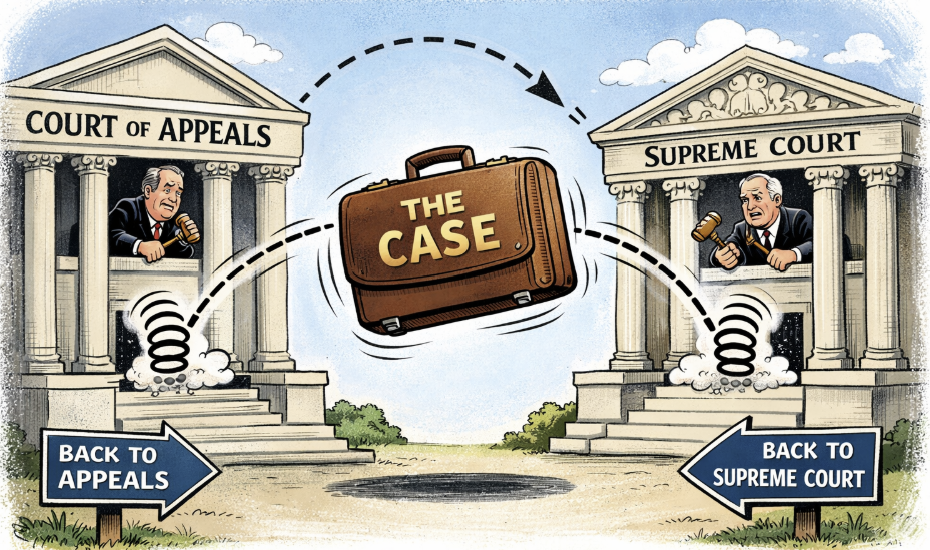 The unfortunate case of Landry v. Landry came to an end before the Texas Supreme Court, after two reviews by the Fifth Court, with the supreme court holding as follows (citations omitted):
The court of appeals erred when it “substitute[d] its judgment for that of the” trial court. It did not carry out our prior instruction to “perform a new sufficiency analysis” including the four months of account statements that were before the trial court as fact-finder. It instead treated those statements it believed were missing as dispositive, even though they were in fact before the trial court, and even though Rice testified that they would not have altered his expert conclusions. This exemplifies the type of appellate second-guessing our precedents forbid.
We now choose to make our Court “the final stop for this litigation.” Reviewing the above evidence in the light most favorable to the trial court’s decision, as we must, we conclude that the trial court could have reasonably formed a firm belief or conviction that the two investment accounts at issue are properly characterized as separate property. Accordingly, there is no basis to disturb its judgment.
No. 24-0910 (Tex. March 20, 2026).